30.10.17

Busan - Canvas Hostel

Canvas Hostel, Haeundae Beach, Busan
It's never easy to find a good, affordable, well-located hotel when you book with few days in advance, specially during the high summer season. Luckily, we got a spot in CANVAS Hostel [WEB] so we are here to tell you.

Managed by a group of cool young hipsters from Busan, Canvas smells of modern design. With ample rooms - in fact much larger than our temporary home in Seoul - large common areas and free breakfast (toast, coffee and olive oil available) this is a perfect base for a flash weekend in Busan.  It is also possible to stay in shared rooms, but we are a bit tool old for that!

Walking distance from Haeundae Beach, close to the main bus lines to take you to all tourist highlights as well as the main train station (to go back to Seoul), CANVAS is a really convenient, classy and advisable spot. During the last day, you can keep your luggage in dedicated lockers.

Definitely a keeper! Make sure to secure it for your visit to Busan!

View Post

27.10.17

Busan - Haeundae Beach

Haeundae Beach, Busan

English
Haeundae is the largest and most popular beach in Korea, located in Busan a city in the south which is very advisable for a weekend out of Seoul.  Think of a Miami-like skyline, with much more affordable places to stay and eat, wrapped by a boardwalk with plenty of cool views. The perfect way to kick-start the weekend. In the night, the sand is covered by small groups of teenagers who put music and dance to the environment, very much Hongdae-style.

Spanish
Haeundae es la playa más famosa de Korea, situada en Busan - la segunda ciudad más grande del país - tiene un skyline comparable al de South beach en Miami, pero con hoteles y restaurantes mucho más asequibles en los alrededores. Dar un paseo por sus alrededores es la manera perfecta de comenzar el finde en esta excitante ciudad. Busan huele a vacaciones y ofrece múltiples contrastes, de lo más tradicional - templos y fortalezas en las montañas - a lo más chabacano - esos adolescentes con sueños de K-Pop que amenizan la noche cantando y bailando en la arena, como vimos en Hongdae.

Drones allowed, show some love to our little video!!


View Post

25.10.17

Seoul - DMZ visit

visit to the border between North Korea and South Korea
They are standing in this direction, always keeping their eyes in the enemy

English
Despite having been to Seoul 5 times before summer 2017, I had never gotten a chance to visit the demilitarised zone (DMZ) between South and North Korea. Located ironically close to Seoul (you can read this post to learn why) it is quite a unique experience that you can only get access to by joining a guided tour. We are against guided anything but since this was the only option, we ended up joining COSMOJIN tour which is not cheap, but has a very good guide with deep historical knowledge who makes the bus rides quite interesting.

Regardless of tour company, just make sure that whichever tour you pick includes a visit to the JSA (Joint Security Area) which is jointly managed by the UN and North Korea military personnel. For us, the powerpoint presentation and chat with the soldiers was absolutely the best.

The day is common for almost all tours, goes  as follows:
  1. Early (7AM) pick-up at the hotel followed by 1h bus ride
  2. Visit to Pamunjon, where the JSA is located.
  3. Including powerpoint presentation from US Army soldiers, visit to the actual frontier, buildings where reunification talks took place as well as other sad events, like the axe murder incident in 1976.
  4. Visit to Dora Observatory
  5. Where you can catch a glimpse of North Korea and propaganda villages located right in the DMZ, where both sides fight for the tallest flag pole - currently North Korea's is winning - and broadcast propaganda messages day long.
  6. Lunch
  7. Visit to Jangdan station
  8. A rusty steam locomotive train which was destroyed by the Americans during the war, to prevent it from falling in the wrong hands, is kept as a symbol of the tragic history of the divided peninsula.
  9. Visit to North Korea Infiltration tunnels
  10. Turns out that North Korea built in the 70s several long tunnels under the DMZ with the objective of attacking Seoul.
  11. Visit to Dorasan Station
  12. Built with great hopes of reunification, it had a railway connecting the Kaesong Industrial Zone in the North with the South until 2008, when the dream to connect all the way from Seoul through China to Europe vanished.
  13. 1h ride back to Seoul
  14. (tourist trap) visit to Ginseng Factory
This visit, combined with a visit to The War Memorial of Korea [WEB] which is free of charge and located in Itaweon, is really worthwhile if you are interested in the history of the peninsula. If you are really interested in the topic, we recommend you watching:
- The Interview - quite an ironic view of the situation in the North
- JSA - a movie that the president of South Korea gave to the president of the North, to stress the hope for reunification.

Spanish
Pese a haber estado en Seoul unas 5 veces antes del verano de 2017, nunca había tenido oportunidad de visitar la zona desmilitarizada (DMZ) entre el Norte y el Sur. Dado que está situada irónicamente cerca de Seúl (puedes leer este post para saber por qué), es una experiencia única que resulta fácil combinar con una semana en la ciudad, siempre y cuando estés dispuesto a unirte a un tour guiado, que es la única forma de ir. En general, no nos gustan las cosas guiadas (a excepción del buceo) pero como no quedaba otra, nos decantamos por COSMOJIN donde al menos el guía sabía de lo que hablaba y amenizaba bastante el viaje en bus.

Independientemente de la compañía, simplemente te recomendamos asegurar que el tour incluya una visita a la JSA (Joint Security Area), donde soldados de ambos lados residen para mantener la paz. Irónicamente, la zona desmilitarizada tiene esta base con muchísimos soldados.

El plan del día es el siguiente:
  1. Recogida en el hotel (7AM) seguida de una hora en bus
  2. Visita a Pamunjon, donde está la JSA.
  3. El tour comienza con una presentación donde los soldados Americanos explican la historia de la base, seguido de una visita a la frontera y los edificios donde las charlas de reunificación tuvieron lugar - sin mucho éxito - así como otros incidentes e.g. asesinato con hacha en 1976.
  4. Visita al mirador Dora
  5. Desde allí puedes echar un vistazo a Korea del Norte y los pueblos propaganda situados en medio de los 4km de zona desmilitarizada, en los que ambos lados luchan por tener la bandera más alta - Korea del Norte va ganando, como muestra la foto inferior - y transmiten propaganda a todo volumen el día entero.
  6. Lunch
  7. Visita a la estación Jangdan
  8. Nunca pensé que un tren podría contener tanta historia. En la estación Jangdan, una serie de paneles cuentan la historia del pobre tren de vapor que espera en la estación, oxidado y destruido a balazos aliados - con el objetivo de que no cayera en manos del enemigo - como símbolo de la tragedia de la guerra y la subsecuente división de la península.
  9. Visita a los túneles de infiltración de Korea del Norte
  10. Aunque no estén permitidas las fotos, la visita al tercer túnel de infiltración que fue descubierto en 1978, desvela los planes ocultos que el Norte tenía de atacar Seúl usando fuerzas que cruzaran la frontera bajo tierra.
  11. Visita a la estación Dorasan 
  12. Una estación que hasta 2008 funcionaba, llevando a trabajadores materiales del Sur a fábricas del Norte en el distrito industrial de Kaesong y volviendo con materiales finalizados, está hoy en día completamente vacía.
  13. Bus de vuelta a Seoul
  14. (trama turística) Visita a la fábrica de Ginseng

Este tour, combinado con una visita al The War Memorial of Korea [WEB] que es gratuito y está en Itaweon, el centro de Seoul, merece la pena si te interesa la historia de la Península. Estos temas de guerra son bastante adictivos y si te quedas con ganas de más, hay dos películas que merece la pena ver:
- The Interview - una visión irónica de la vida en el Norte
- JSA - una película antigua que trascendió hasta niveles presidenciales, el presidente del Sur le dio una copia al del Norte.

View Post

23.10.17

Seoul - City Hall

Seoul City Hall

Spanish
En Seúl, hasta visitar el ayuntamiento conlleva algo de confusión. Llegas a una plaza muy grande y al fondo, hay un edificio renacentista que tiene toda la pinta de ayuntamiento. Pero al entrar, descubres que es la biblioteca?

Resulta que el edificio histórico fue construido durante la ocupación Japonesa y sirvió como Ayuntamiento de 1945 a 2012, cuando se terminó el edificio de cristal. El Ayuntamiento se movió al edificio nuevo y el antiguo, quedó instaurado como biblioteca de la ciudad.

Si os interesa la arquitectura, merece la pena dar una vuelta antes de entrar en Deoksugung, que está justo al lado.

English
The visit to the city hall is a confusing one, like everything else in the city. Behind a large grassy square used for various events along with a fountain that is safe for kids to play while beating the summer heat, the first thing to meet the eye is a Renaissance-style stone building. Which is actually not the city hall, but just a library?

This old building was built in 1925, during the Japanese occupation of Korea. It is an example of Imperial Crown Style architecture, and served as city hall from Korea's liberation in 1945, until construction of the glass building. Hence, the old building - now used to house the Seoul Metropolitan Library, is located right in front of the current modern Seoul City Hall building.

View Post

28.9.17

Seoul - Deoksugung 덕수궁

Deoksukung palace, Seoul
English
Deoksugung is the only palace in Seoul that can be visited at night and also the only one where Korean style buildings sit alongside a series of western style buildings. While it started in 1400s, the western style buildings were adding around 1900s. Very cool sight with long opening hours which is also included in the combination ticket.

Spanish
Deoksugung es el único palacio donde los edificios Koreanos se alternan con edificios de estilo occidental. Aunque el palacio comenzara en 1400, los edificios occidentales fueron añadidos 500 años después. Además, se puede visitar de noche y está situado junto al Ayuntamiento, lo que hace muy fácil encajarlo con cualquier plan que cruce por el centro neurálgico de la ciudad. No es demasiado grande, pero está lleno de encanto al tratarse de un camino empedrado que serpentea entre vegetación y edificios de diferentes épocas.
View Post

25.9.17

Seoul - Namdaemun Market

Namdaemun
English
Namdaemun is the largest and oldest market in Korea. It started in 1414 as a marketplace managed by the government. The name comes from the south city gate, now located at an intersection metres away from the market entrance. If Dongdaemun offers the ultimate fashion shopping, Namdaemun does the work with food and supplements like ginseng. Specially street food, like pork knuckles, dim sum and hotteok (호떡), a filled-then-fried pancake for which people queue like crazy.

Spanish
Namdaemun es el mercado más grande y más antiguo de Korea, que comenzó en 1414 como un mercado controlado por la dinastía Joseon. El nombre viene de la puerta sur de la ciudad - nam es sur, daemun es puerta - que hoy en día ocupa una intersección rodeada de carreteras y algo alejada de la entrada del mercado. Si Dongdaemun es el sitio perfecto para comprar ropa, Namdaemun es el sitio perfecto donde familiarizarte con el street food Koreano, especialmente el hotteok (호떡). Una especie de tortitas rellenas y fritas por las que la gente está dispuesta a esperar un buen rato!
View Post

22.9.17

Seoul - N Seoul Tower

N Seoul Tower, Seoul

English
If you got kids or a taste for views, N Seoul Tower is the place for you. Bit of Asian Tourist Trap - reminds of the cable car to Maokong in Taipei or Ocean Park in Hong Kong - it offers a nice walk provided the weather is suited for it - we both walked when coming to Seoul in winter but opted for the cable car given the high temperature and humidity.

Once you exit the cable car, love locks alternate with breathtaking views of Seoul. As you approach the tower entrance, a show of acrobats and martial arts entertains the tourists. On the way down, a lush vegetation surrounds the road which winds back to the mountain base. While the tower rises 497m above sea level, thanks to its privileged location at the top of mount Namsan, it's only 236m high.

Apparently some 2012 surveys ranked the N Seoul Tower as the number one tourist attraction, but I am really surprised by that. Given the huge amount of history and coolness in other places, do you really vote for this?

Spanish
Si vas con niños o te encantan las vistas, no puedes perderte una visita a N Seoul Tower. Es un poco trampa turística pero a la vez ofrece un paseo agradable al subir y bajar de la montaña, especialmente cuando el clima es algo más fresco. En verano, os recomendamos subir en el cable car y bajar andando, como hicimos nosotros.

Al llegar, encuentras millones de candados de enamorados que se alternan con vistas de la ciudad. Según Enrique - yo no había pisado esto desde 2010, cuando compré un llavero que todavía sigo usando, los shows de artes marciales y acrobacias son parte del entorno, entreteniendo a los turistas que pueden quedar algo decepcionados pues la torre sólo levanta 236m del suelo - pero 497m sobre el mar, al estar construida sobre un monte.

Un poco como la Tokyo Tower, es un símbolo de la ciudad que se ilumina de noche, dándole color la orilla del río Han. Aún así, me sorprende que en 2012 saliera elegida como atracción turística número 1 en Seúl. En mi humilde opinión hay muchos otros barrios, templos, palacios y museos, que merece mucho más la pena visitar.

View Post

20.9.17

Seoul - Namsangol Hanok Village

Namsangol Hanok village, N Seoul Tower, Seoul
English
The third and last hanok village to visit in Seoul is Namsangol Village, located right at the base of Namsan mountain, North of river Han. Here, the recreations are superb and make it possible to catch a feeling of how it was life more than 500 years ago.

During Saturday night, there is a night market where people dress like in the 1890s which is well worth a visit -  we missed it as it did not fit with our agenda at all - but anyway... What strikes me the most about hanok is the extent to which this architecture is smart, specially when it comes to heating, called ondol「온돌」and consisting of underground pipes which would channel the heat out of the kitchen - as you can see in below pictures was located out of the home, to prevent undesired fumes from entering the rooms - and ensure warm floors during the entire winter.

Spanish
El tercer y último barrio Hanok que visitamos se llama Namsangol y está situado en la base de la montaña Namsan, que corona la N Seoul Tower. Ofrece una oportunidad excelente de entender cómo se vivía en aquella época, pues las recreaciones son muy realistas.

Los sábados por la tarde-noche hay un mercado tradicional ambientado en 1890, donde puedes experimentar la música, comida y cultura de aquel entonces mientras paseas por las casas. Muy recomendable si os encaja con el plan del día. En la época Joseon, se conocía como el país de las hadas y estaba considerado una de las áreas más bonitas de Seúl.

Nuestra recomendación, salvo que seas un auténtico freak de los templos y palacios, es elegir uno de los tres barrios hanok que os hemos presentado (Bukchon, Ikseong-dong o Namsangol) y visitarlo. Cada uno tiene sus ventajas (Bukchon es más grande y encaja bien con la visita a los palacios, Ikseong-dong es perfecto para ir de compras y a tomar algo, Namsangol ofrece un viaje en el tiempo) simplemente optad por el que más os llame o mejor encaje con el plan de viaje.
View Post

18.9.17

Seoul - Hipster Hongdae

Hipster Hongdae pedestrian street, Seoul

English
Located between universities, Hongdae is a young neighbourhood where you can shop, dance and watch K-pop beating around every corner.

The perfect Saturday afternoon plan starts with a walk along the calm Gyeongui park and ends exploring the Honda pedestrian street where you can see groups of teens dancing and singing K-Pop anthems. The streets are filled with little streets where you can find cool designs at bargain prices. Towards the end of it, bars and restaurants pop along the way in case you have energy left to burn the night there.

It was not so easy to find, so I leave you the tourist map - nearest station is Hongik University.

Spanish
Situado entre universidades, Hongdae es un barrio joven donde te cruzas con la esencia del K-pop a cada paso que das. El planazo de Sábado tarde comienza con un paseo por el parque Gyeongui, donde las parejas ven atardecer y los amigos pasean sus toy poodles. Al caer la noche del Sábado, la calle peatonal de Hongdae se convierte en un hervidero de gente bailando y cantando, rodeados de fans, tiendas de ropa con auténticos chollos. Hay mucha gente, pero es entretenido. Al final, los bares y restaurantes hacen entrada, para aquellos con energías suficientes como para quemar la noche Koreana.

Os dejo un mapa, porque la calle peatonal no es fácil de encontrar - la estación más cercana es Hongik University.
View Post

14.9.17

Seoul - Goose Island Brewhouse

Goose Island Brewery, Gangnam, Seoul

English

People are sometimes scared about food when traveling to Asia, specially the first time. A common belief among Spanish is that "probably they don't have olive oil over there". While each city has its own local tastes, it is true that nobody does Western like the Asians. In fact, the best burger place we've ever been to is in Tokyo. Following the IPA /microbrewery fashion we spotted Goose Island Brewhouse on the way to the supermarket. While I did not like that wine is only available by the bottle... I recognise that the salad, steak tartare and pizza were quite good - as it was the beer, according to Enrique.

Spanish
A la gente le preocupa mucho la comida, especialmente la primera vez que viajan a Asia. Siempre hay quien cree que "no hay aceite de oliva" o que sus vacaciones se van a convertir en un trasiego de salsas picantes y arroz blanco. Pero la realidad es muy diferente, algunos de los mejores sitios "occidentales" en los que he cenado están en Asia. Avistamos Goose Island Brewhouse de camino al super y decidimos probarlo un sábado. Aparte de no tener vino por copa, no defraudó. Ofrece una selección de cervezas e IPAs de producción propia y un menú reconfortante, tras un par de semanas lidiando con sopas picantes y boles de arroz. Una buena opción si andas cerca de la estación de Gangnam y no sabes dónde ir.
View Post

13.9.17

Seoul - Changdeokgung, Changyeonggung and the Secret Garden

Changdeokgung, the most beautiful of Seoul main palaces
Changdeokgung main hall, girls wearing handbook.

English

In case you thought the palaces of Seoul were over, here come 3 more beautiful spots east of Bukchon.

The best to visit temples and palaces in Seoul is to buy the combination ticket - which gives access to all the main sites - or to rent a hanbok, the traditional costume, so you are allowed in the sites for free. According to Enrique, they all look the same. Well they are not exactly the same, but it is true that if you are tight on time, it might be wise to limit the visit to what you can cover in one day (e.g. Gyeongbokgung, Bukchon, Changdeokgung, Jogyesa) for your trip to be more varied.
Last piece of advice is to always confirm online whether the target temple or palace is open that day and what are the tour times - in case of guided only visit - otherwise you may end up walking there for nothing, like it happened to us with Jongmyo.

Spanish

Si pensabas que se habían terminado los palacios en Seoul, hoy os traemos otros tres al Este de Bukchon.

Lo mejor para visitar palacios y templos en Seoul es hacerte con el ticket combinación - sale muy barato y lo puedes comprar en el primero que visites - o alquilar un hanbok, el traje tradicional, para hacer unas fotos muy chulas y entrar gratis a todos los que os dé tiempo. Nosotros pasamos de trajes porque hacía demasiado calor, pero la libretilla nos sirvió para ver casi todos - nos dejamos Jongmyo en el tintero por llegar en Sábado, cuando estaba cerrado.
Aunque seas muy freak de templos y palacios, es cierto que se puede hacer repetitivo. Por eso, si vas una semana o unos días, una manera de plantearlo es dedicar un día a ver "lo que os de tiempo" e.g. cubrir Gyeongbokgung, Bukchon, Changdeokgung y Jogyesa. Os recomiendo confirmar online que el templo esté abierto ese día y si se puede visitar libremente o hace falta entrar en un tour guiado, ya que eso condiciona mucho el plan.
View Post

11.9.17

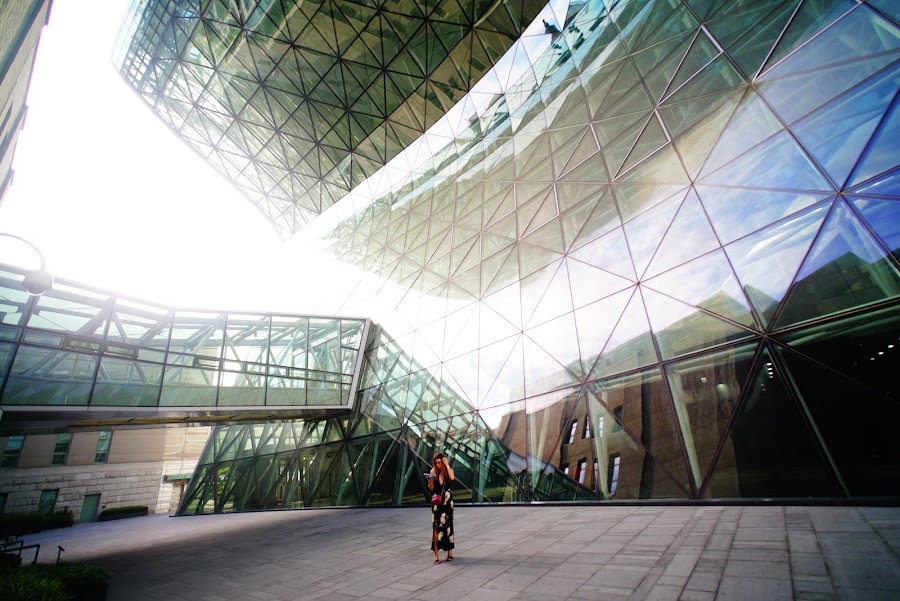
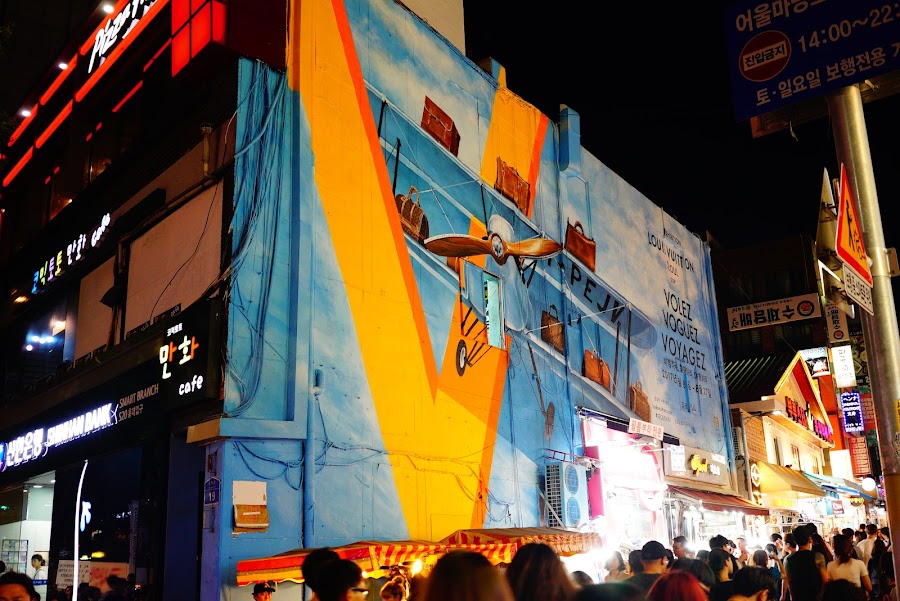
Seoul - Louis Vuitton "Volez, Voguez, Voyagez" exhibition at Dongdaemun Design Plaza

Volez, Voguez, Voyagez Louis Vuitton exposition at Dongdaemun Design Plaza, Seoul

English
Koreans are very much into fashion. There's no better place in Seoul than Zaha Hadid's Dongdaemun Design Plaza (DDP) to host a collection of historical branded items. Back in 2015, I run into the opening of a Dior expo - invitation only, so I could not get in - but now it was my time to experience the building from the inside, with the lovely occasion of revisiting the history of the brand of the brands, Louis Vuitton.

Never been an LV fan but still... We both enjoyed walking through the history behind the famous brand.

Louis Vuitton had very humble origins in the Eastern France, born into a family of joiners, carpenters and milliners. 13-year old Louis left home on foot, bound for Paris, taking all kinds of jobs along the way. When he arrived, 2 years later, he was hired as apprentice in the workshop of a box-maker, where they would carefully prepared boxes for the upper class. Vuitton's career is therefore tied to the Industrial Revolution, that made it possible to travel by train or plane - creating a need for carefully handcrafted luggages.

Louis Vuitton opened is own box-making shop in 1854, aged 33, and developed innovations such as the use of waxed canvas to protect the items from humidity. He was a creative genius who could build trunks for literally anything, from beds through painter's tools, portable closets or cutlery. The show is an amazing journey through imagination.

Spanish
Los Koreanos son los asiáticos más fashion y el DDP, el museo perfecto para organizar una exposición sobre una gran marca, como Louis Vuitton. En 2015 me quedé con las ganas de entrar - aparecí el día de la inauguración de un show de Dior y me quedé mirando a la gente, que eran un show en sí mismos - pero este año era mi turno de explorar el fantástico edificio diseñado por Zaha Hadid desde el interior.

Nunca he sido una fanática de Vuitton, pero como esta exposición no trata de marcas sino de creatividad, ambos disfrutamos el paseo.

Louis Vuitton tuvo unos orígenes muy humildes en el este de Francia. Su madre era sombrerera, su padre campesino, se quedó huérfano a los 10 años y a los 13 decidió partir caminando hasta París. Tras dos años y muchos trabajitos, llegó a la ciudad de la luz donde la revolución industrial había empezado a revolucionar el mundo del viaje, al menos para las clases altas. Empezó como aprendiz en un taller donde se fabricaban baúles de viaje, donde fue construyendo su reputación hasta lanzarse en solitario con 33 años.

En 1854 creó su marca, abrió su propia tienda y el resto es historia. Lo que más impacta es la imaginación de Louis, que conseguía materializar cualquier encargo - desde un baúl cama pasando por un armario portátil o una caja de utensilios de pintura, todo era posible - y su actitud innovadora, primero ideó la lona encerada, para proteger los enseres de la humedad y luego pasó a imprimir sus iniciales, para diferenciar sus baúles del resto.

View Post
© dontplayahate. All rights reserved.
DONTPLAYAHATE